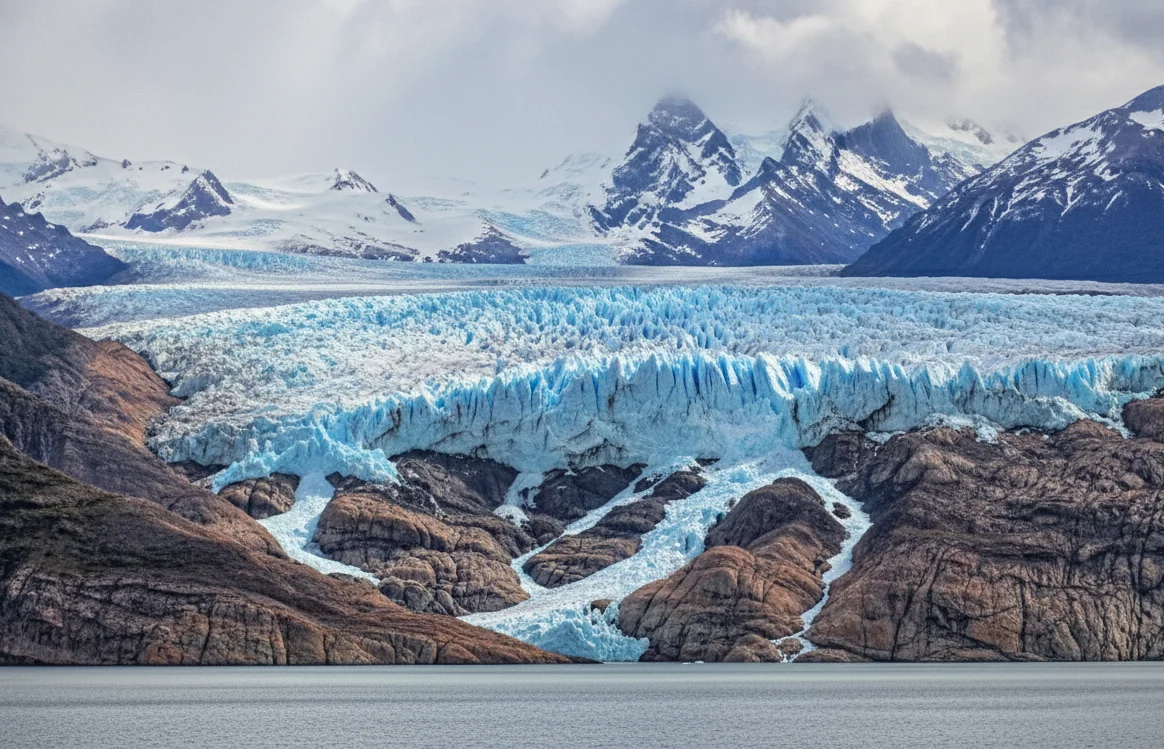
Mountains have long evoked something profound in the human psyche. Their towering summits, still glaciers, and age-old myths attract travelers, mountaineers, and daydreamers from all over the globe. From the mighty Himalayan giants to the mythical peaks of Africa and South America, every mountain holds tales of spirituality, bravery, and awe.
They’re not mere structures of rock and ice — they’re living testaments to time. For some, these are holy grounds; for others, they’re a challenge to overcome. But for all who stand before them, they evoke a sense of wonder that tends to be beyond words.
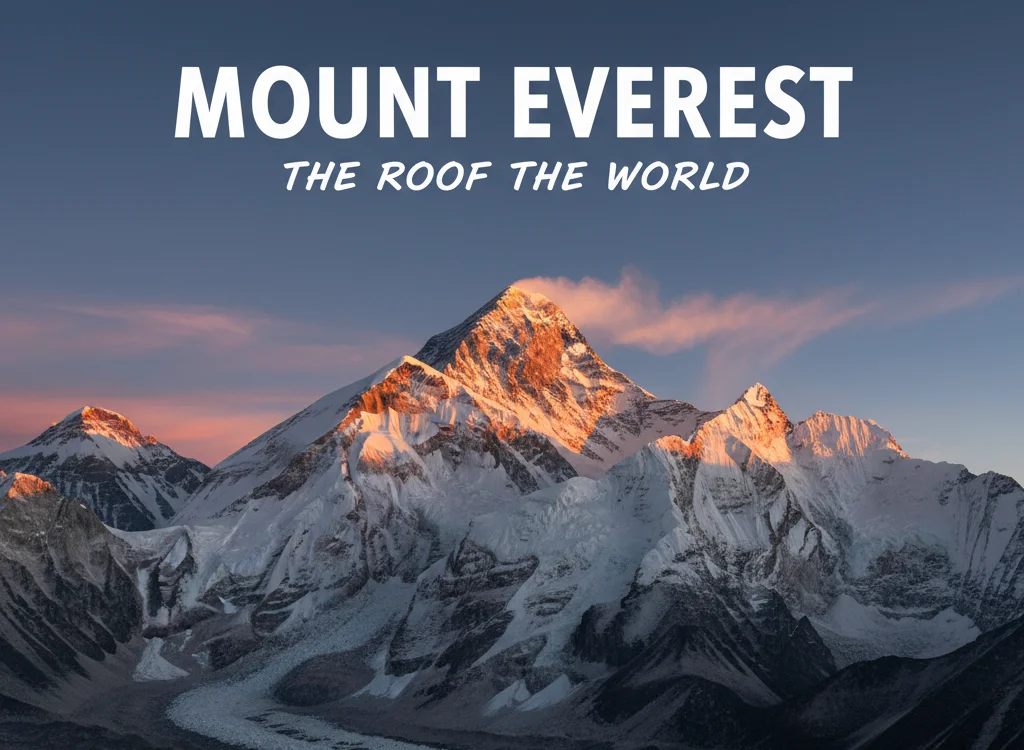
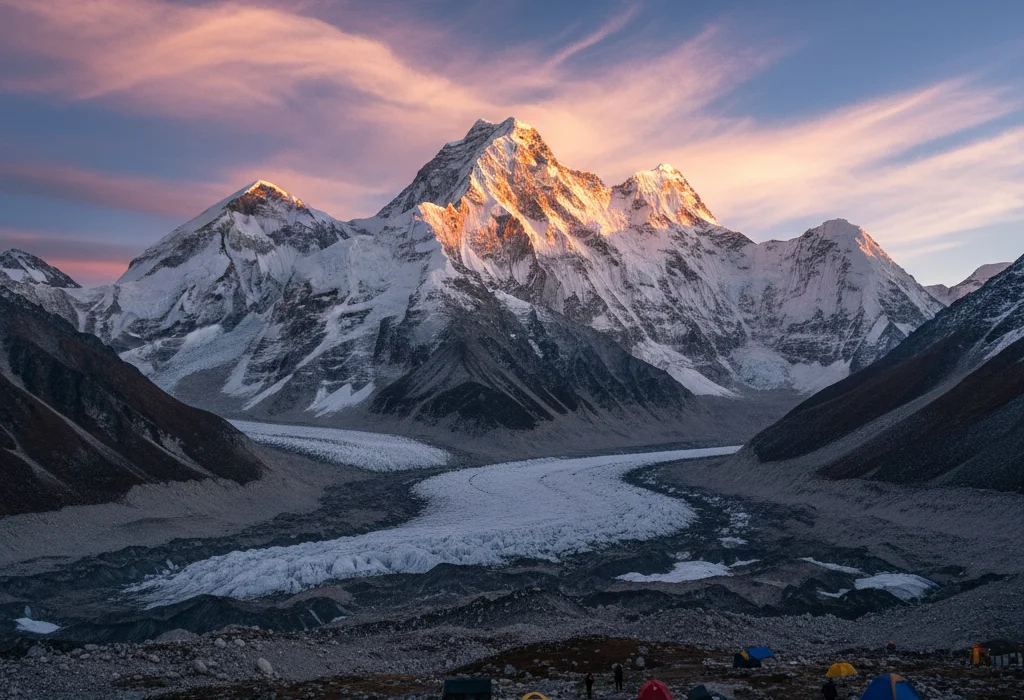
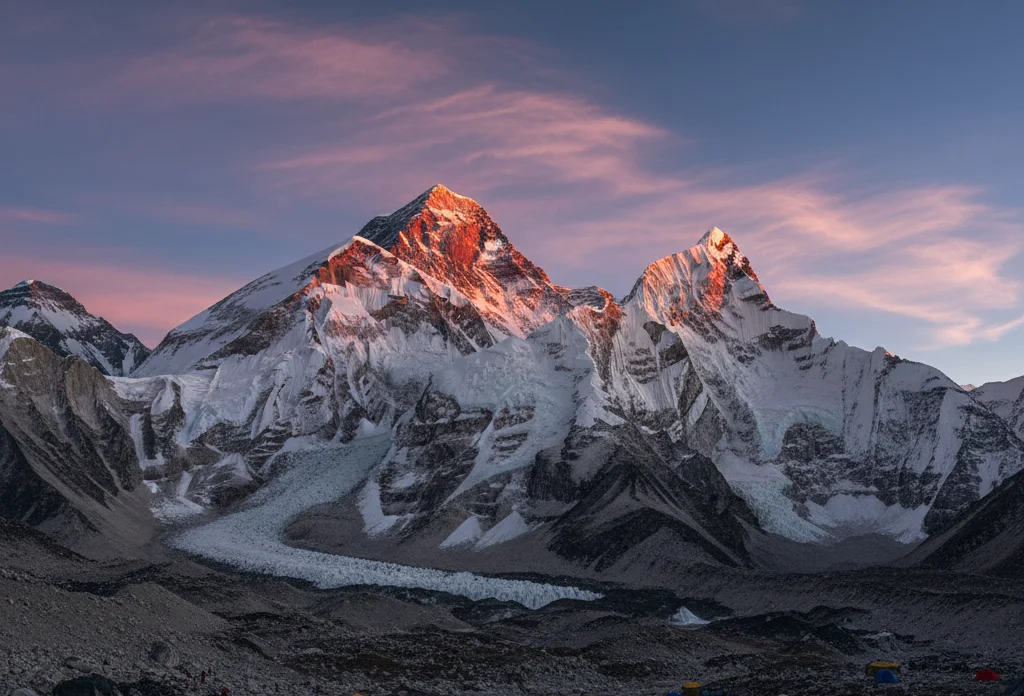
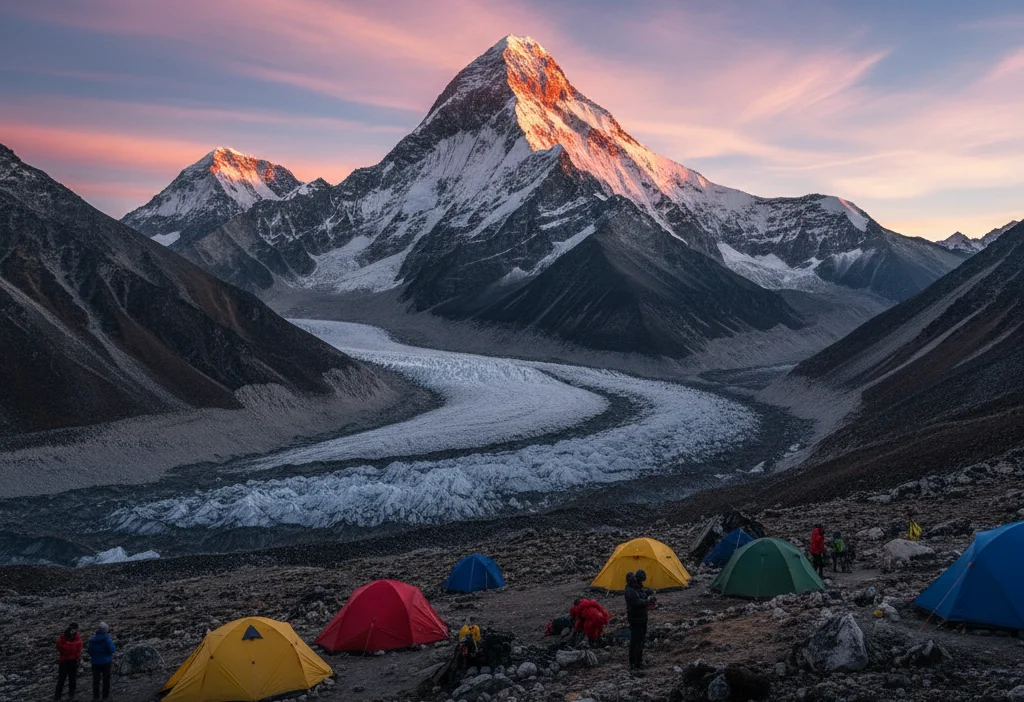
Mount Everest, the tallest mountain in the world, stands 29,029 feet above sea level on the boundary of Nepal and Tibet. The locals refer to it as Sagarmatha in Nepal and Chomolungma in Tibet — names both symbolizing respect and reverence.
Everest is not a mountain; it is a dream that pushes human endurance. Climbers who tread its snowy slopes rarely talk about the thin air, the profound silence, and the fact that every step both scares and is beautiful.
The most popular ascending routes — the South Col of Nepal and the North Col of Tibet — are now legendary treks of adventure. Though the trip is risky, with altitude illness and wild storms, the sight of scenery above the clouds is rumored to be breathtaking. Trekkers here also find themselves exposed to Sherpa culture, red and gold prayer flags swaying in the wind, and generationally passed oral traditions.
Everest Facts
Details
Height
29,029 ft (8,848 m)
Location
Nepal & Tibet
Known for
Highest Peak IN the World
Challenges
Altitude sickness, unpredictable weather
K2 – The Savage Mountain
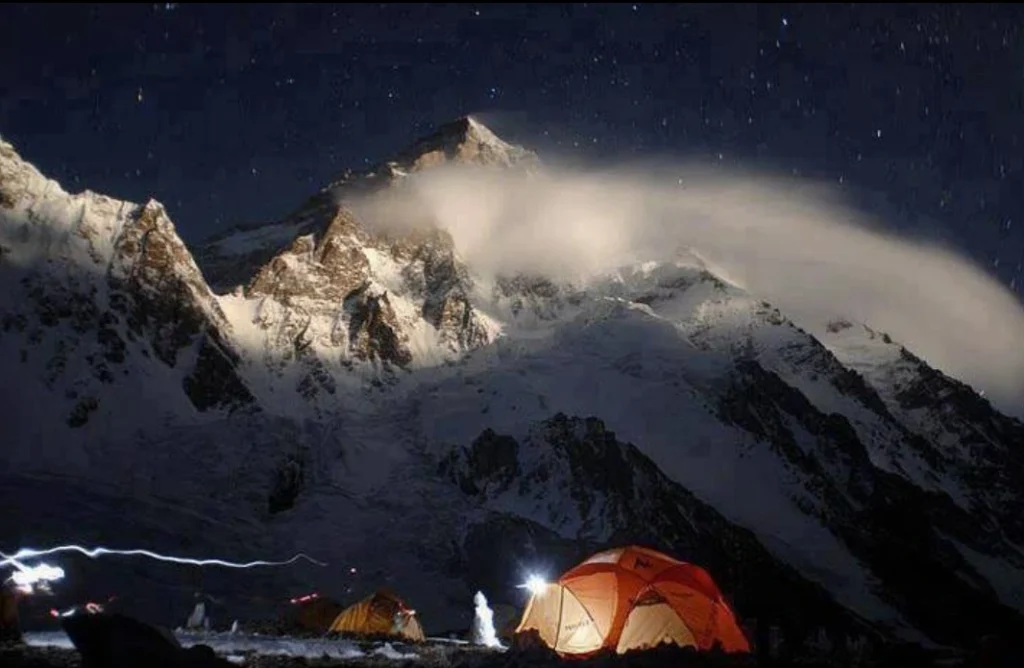
K2, at 28,251 feet, is situated between China and Pakistan and has been dubbed “The Savage Mountain” due to its volatile temperament. It’s shorter than Everest, but it’s a far more deadly climb. Its razor-sharp ridges, precipitous ice walls, and impromptu storms turn every climb into a crapshoot of courage versus destiny.
But those who see K2 from a distance talk of its otherworldly loveliness. Its pyramid summit reaches up like a spear into the heavens, piercing the clouds. The Karakoram Range it towers over is untouched-looking — sweeping, raw, and still.
Few men have summited K2, but those who have tell of how it transforms them forever. To see the sunrise over its frozen crown is like witnessing the Earth take a first breath.
Kangchenjunga – The Third Highest Peak
Between India and Nepal lies Kangchenjunga, the third-highest mountain on our planet. Locally referred to as the “Five Treasures of Snow”, it’s not only a mountain — it’s a guardian. It is thought by many people to defend the country and its residents.
While Everest has more climbers, Kangchenjunga receives fewer of them, so it retains a virgin aura. Hikers here discover tranquility in obscure paths, broad vistas, and instances when clouds sweep across golden summits like waves. Its erratic climate and precipitous slopes make it a real challenge of technical expertise and perseverance, but the peace it grants in return is worthwhile for every challenge.
Lhotse – The Neighbor of Everest
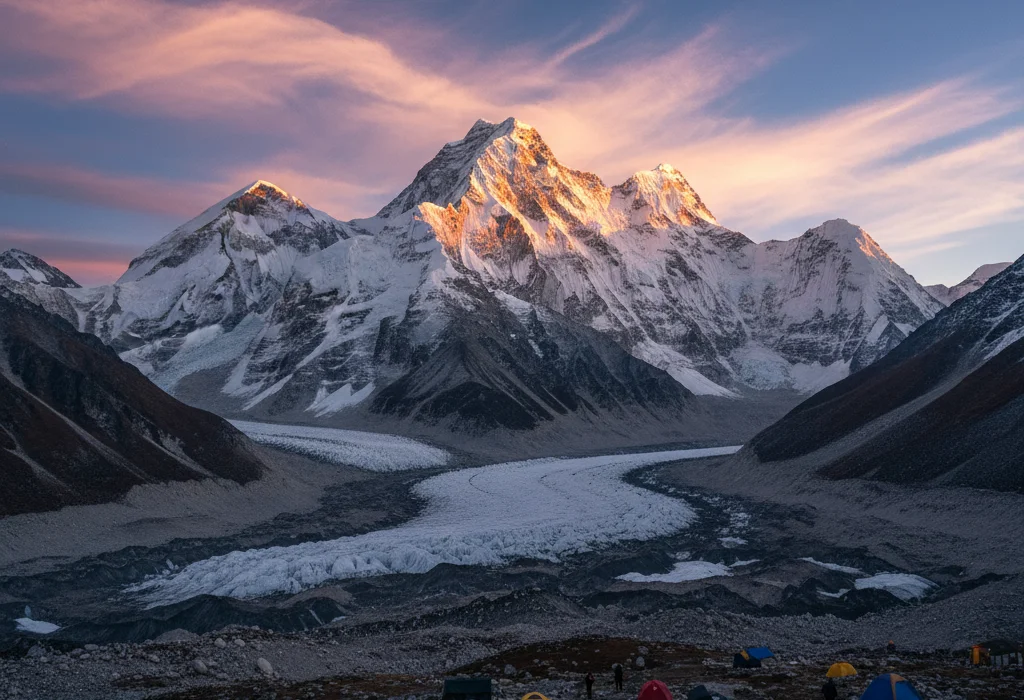
Right next to Everest comes Lhotse, which is 27,940 feet high. It’s commonly referred to as “Everest’s quiet companion.” Most climbers traveling to Everest traverse through Lhotse’s steep icy trails, but few know the mountain’s own deadly reputation.
Lhotse is not just a challenge to experienced climbers with steep ridges and thin ice walls. There is, however, something raw and ugly apart from the difficulty – where snow glitters like glass in sunlight and the Himalayas go on endlessly out of sight.
Makalu – A Pyramid-Shaped Giant
The pyramid-shaped Makalu stands 27,825 feet on the border of Nepal and Tibet. Its immaculately carved top makes it one of the most beautifully rugged summits in the Himalayas. Unlike Everest, Makalu is less visited, affording adventurers an element of isolation and cleanliness seldom encountered elsewhere.
Trekkers commonly say that the trek to Makalu Base Camp is like traveling to another world — where forests give place to rock desert, and silence is the only friend. Each view of its towering summit seems a moment snatched from time.
Mount Kilimanjaro – Africa’s Tallest Mountain
Ascending 19,341 feet over the plains of Tanzania, Mount Kilimanjaro is Africa’s highest peak and one of the most recognized landmarks in the world. Its white-capped summit, towering over the African grasslands, appears nearly otherworldly.
Made up of three volcanic peaks — Kibo, Mawenzi, and Shira — Kilimanjaro is a fantasy of a way for both regular trekkers and adventurers. Routes such as Marangu, Machame, and Rongai take tourists through rainforests, alpine moors, and frozen ridges. During the journey, tourists witness African fauna, hospitable local inhabitants, and the experience of being on the “roof of Africa” as the sun rises to dye the sky golden.
Denali (Mount McKinley) – The Pride of North America
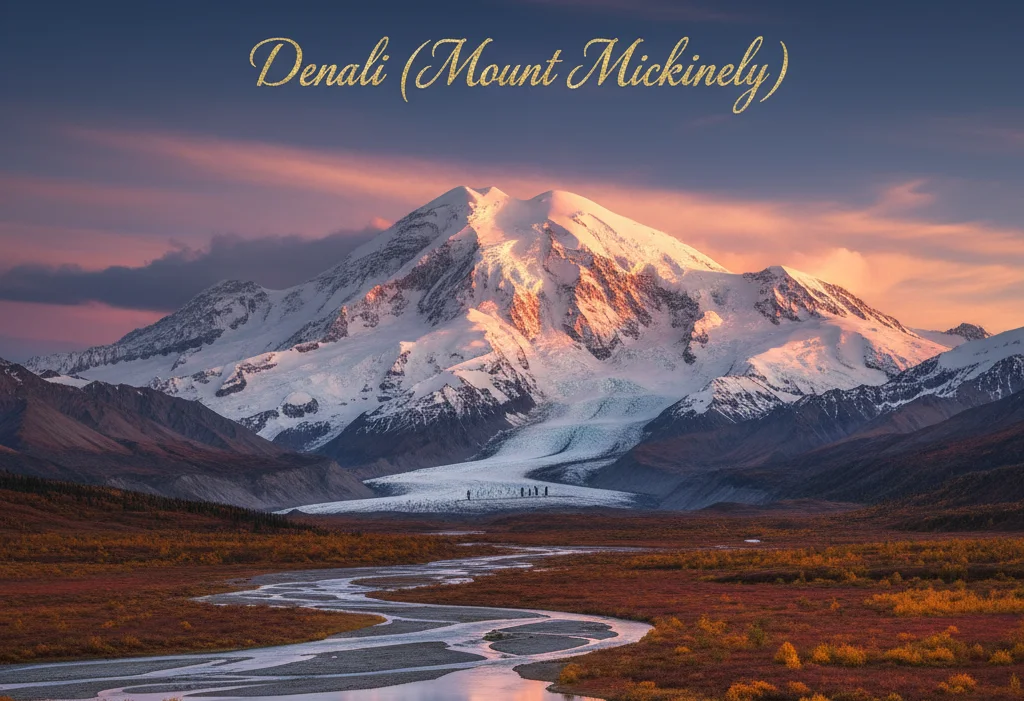
Denali, formerly Mount McKinley, rises high above Alaska at 20,308 feet. It stands over Denali National Park — a national park that is full of glaciers, rivers, and virgin forests.
Here, adventurers encounter icy gusts and unpredictable storms. But between those times of hardship, there is a beauty that can’t be found anywhere else: herds of caribou grazing below, eagles overhead, and immensity of silence that is almost sacred.
For non-climbing visitors, scenic flights and trekking trails provide stunning panoramas of this northern jewel.
Manaslu – The Mountain of the Spirit
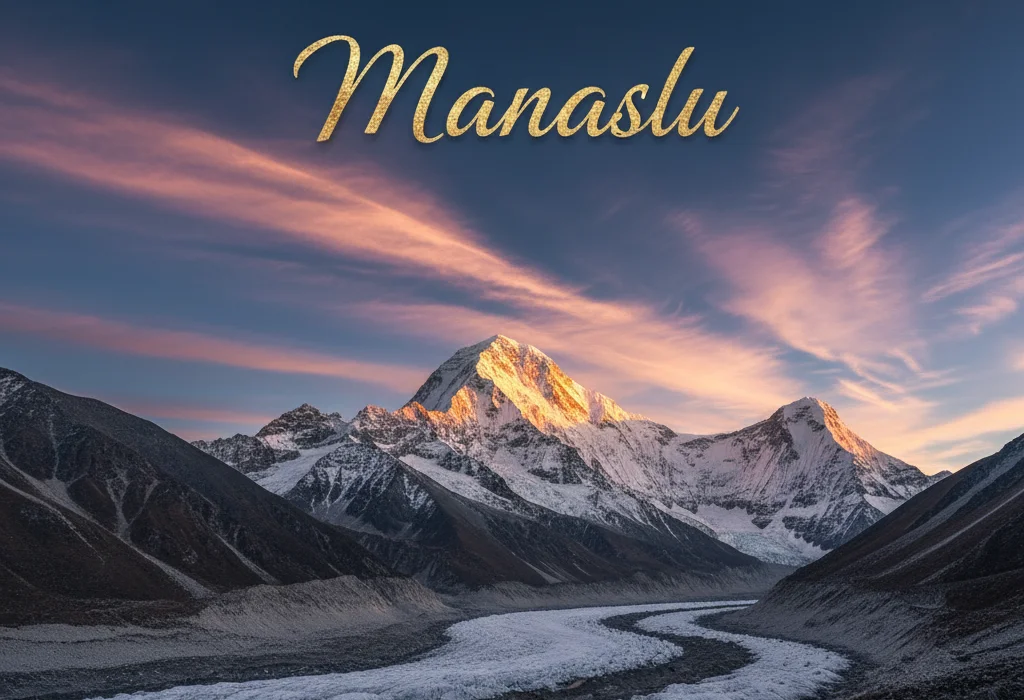
In the heart of Nepal, Manaslu stands 26,759 feet above sea level. It’s called the “Mountain of the Spirit” because it combines adventure with tranquility. Pathways surrounding Manaslu go through ancient Buddhist monasteries and Sherpa villages, a glimpse into untouchable mountain life.
It’s less populated than Everest, but just as enchanting — a world where prayer wheels turn quietly in the breeze and snowflakes fall like secrets. For most travelers, Manaslu is as much a pilgrimage of the heart as it is a climb.
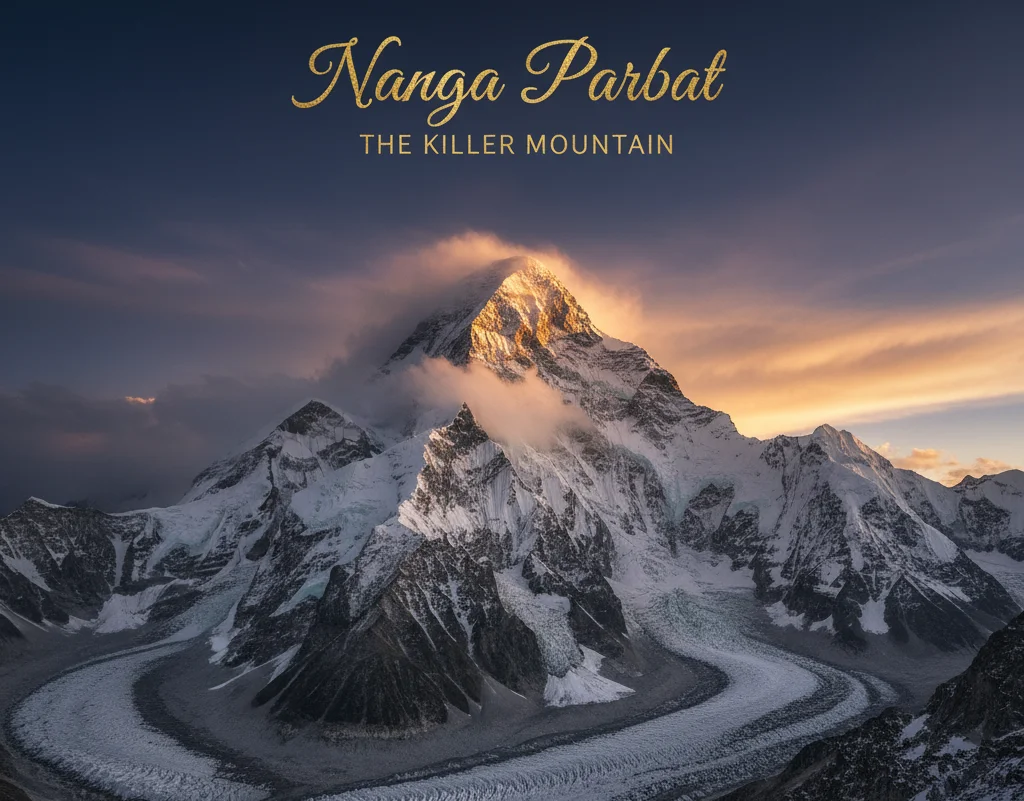
Nanga Parbat – The Killer Mountain
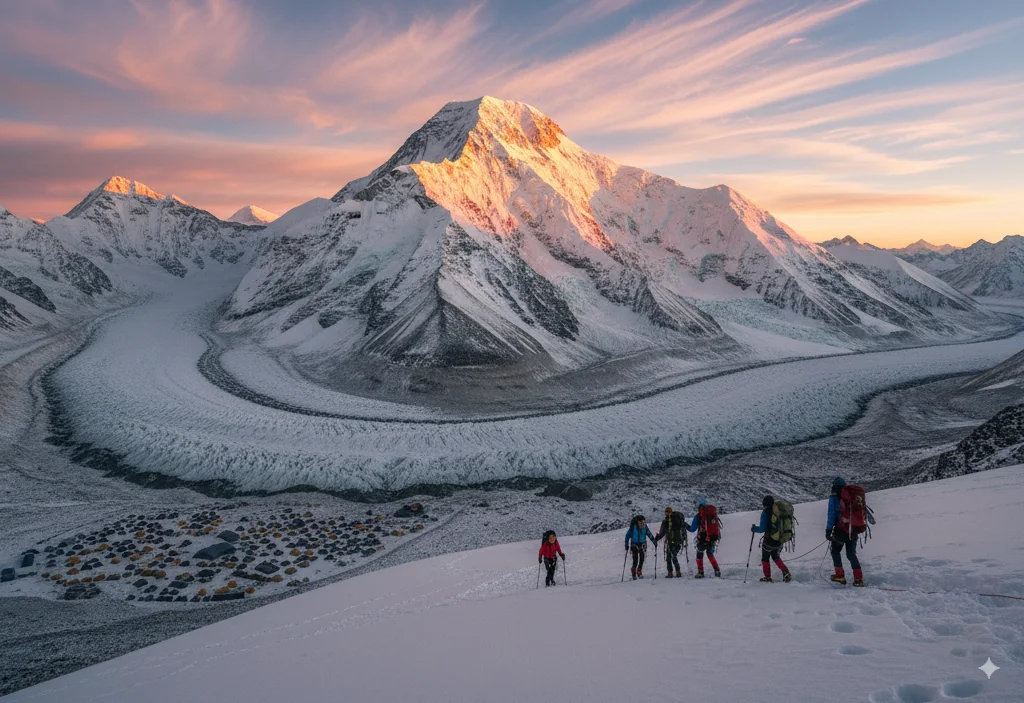
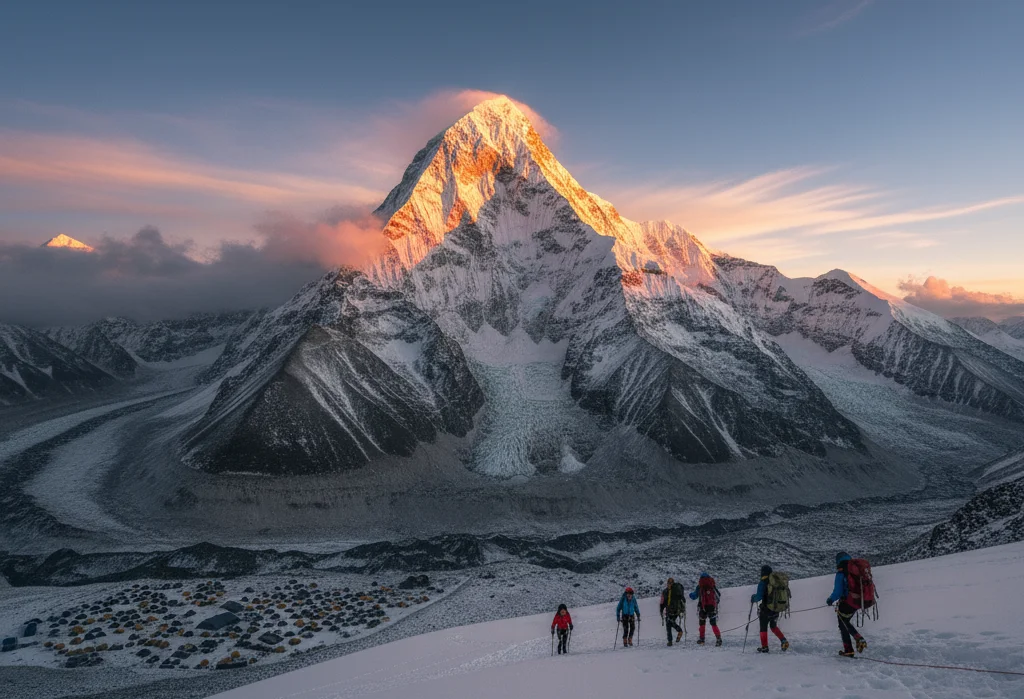
In Pakistan’s Himalayas looms Nanga Parbat, 26,660 feet tall. Sardonically known as the “Killer Mountain,” it boasts one of the most fearsome reputations in the history of climbing. Its icy walls and colossal rock walls have strained human resolve for decades.
Though perilous, Nanga Parbat is still a symbol of respect and endurance. Visitors see one of the most beautiful mountain vistas on the planet — golden mountains at dawn and hollow valleys reverberating with the whoosh of wind and ice.
Cho Oyu – The Sixth Highest Mountain
Cho Oyu, which rises 26,906 feet, is one of the easier of the 8,000-meter mountains. Situated close to Everest, Cho Oyu provides trekkers with a safer but equally satisfying experience.
For most climbers, Cho Oyu is a warm-up before a shot at Everest. But even independently, the mountain’s serene beauty — sweeping snowfields, easy slopes, and vistas reaching into Tibet — imprint themselves on the heart.
Ama Dablam – The Most Beautiful Mountain
Often called “The Mother’s Necklace,” Ama Dablam stands out with its elegant pyramid shape and glittering glaciers. At 22,349 feet, it’s not among the tallest, but many say it’s the most graceful.
The mountain’s beauty has inspired countless works of art and poetry. From afar, its snow ridges look like arms stretched in blessing — a symbol of strength and protection. Those who trek near Ama Dablam often say it feels like walking through a painting.
Chimborazo – Closest Point to the Stars
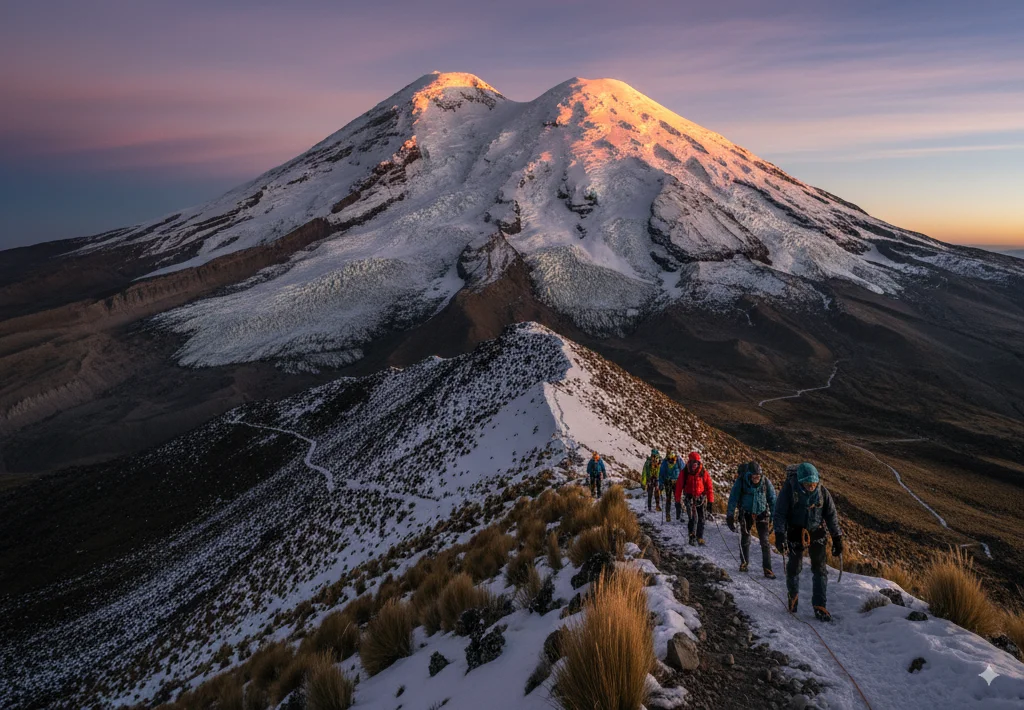
In Ecuador’s Andes mountain range, Chimborazo has a unique claim to fame: while not the tallest mountain on the planet, its peak is the nearest to the stars due to the bulge of the Earth at the equator.
Locals refer to it as the “Stone Sentinel,” and it’s intricately part of Andean legend. Climbers traverse glaciers and volcanic ridges where spiritual beings are said to watch over the summits. Being at the top of Chimborazo, surrounded by unlimited white and blue, is like reaching the heavens themselves.
Ama Dablam in Nepal is widely regarded as the world’s most beautiful mountain for its stunning snow-clad ridges and unique shape.
Why These Mountains Are Popular Among Climbers & Tourists
These mountains exceed physical attractiveness. They bridge cultures, test human endurance, and narrate tales of spirituality, loss, and victory. From the Alps to the Himalayas, mountains have formed civilizations and motivated adventurers.
Each has a rhythm of its own — the monks’ chant in Nepal, the cries of wild life in Alaska, the singing African guides on Kilimanjaro. If you ascend, trek, or merely watch and stand, they make you realize how minute we are and how enormous the planet can be.
Why It's Unique
Each of these mountains is a different face of our world — spiritual, wild, and humbling. They collectively illustrate the way that nature can defend and test us. Their beauty is not in perfection but in being able to make us stop and feel alive.
When to Visit
The ideal time depends on the area —
Himalayas: March to May or September to November.
Kilimanjaro: January to March or June to October.
Andes (Chimborazo): December to February for better weather.
Selecting the proper season not only guarantees security but allows you to view the mountains at their finest.
How to Reach
Major international airports such as Kathmandu (Nepal), Arusha (Tanzania), and Anchorage (Alaska) provide access to most popular mountains, followed by treks or local transport to base camps.
Planning with seasoned guides is mandatory, particularly for higher elevations, where planning and acclimatization are important.
Adventure Level
From easy-to-tackle treks like Kilimanjaro to wildly challenging ascents like Nanga Parbat, all levels of adventurers can find a mountain that calls to them. What they all have in common is the sense — that still moment when you are standing above the clouds and you see how immense life truly is.