There is something nearly dreamlike about Iceland. It’s fire and ice, where volcanoes pierce alongside glaciers, and waterfalls crash into valleys that look as though they were gouged out by time itself. Every corner is like a set from a dream — from seeing the Northern Lights dance above quiet snowfields to bathing in a hot spring that steams while snowflakes twirl in the air. Iceland is not a place; it’s an experience that haunts you forever after you’re gone.
Selecting when to go to Iceland is all about what you’d like to experience. During summer, the sun hardly dips below the horizon, converting nights into daylight “golden hours” ideal for road trips and mountaineering. It’s the ideal time for the traditional Ring Road road trip, when the whole nation is opened up under a cloudless sky.
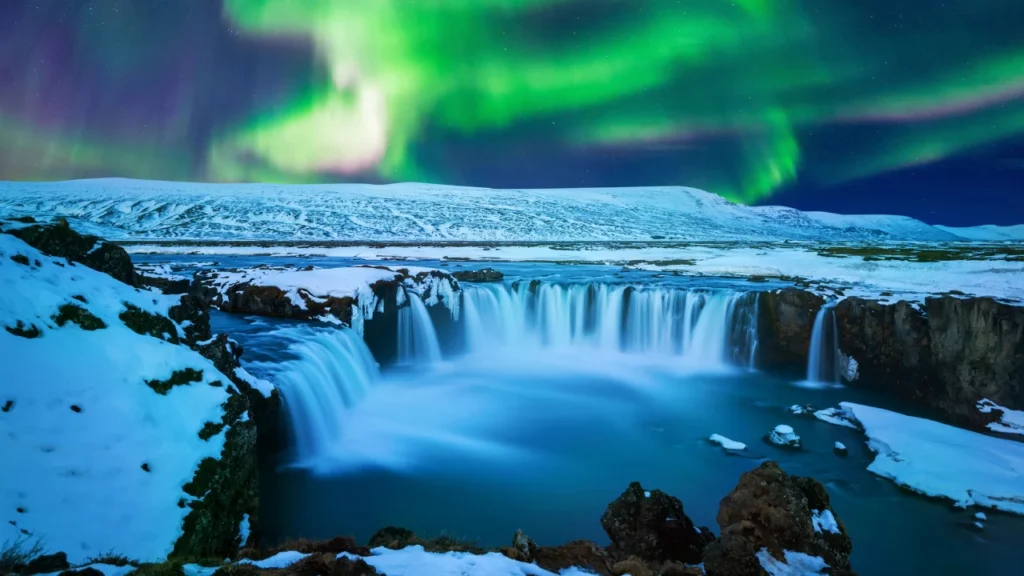
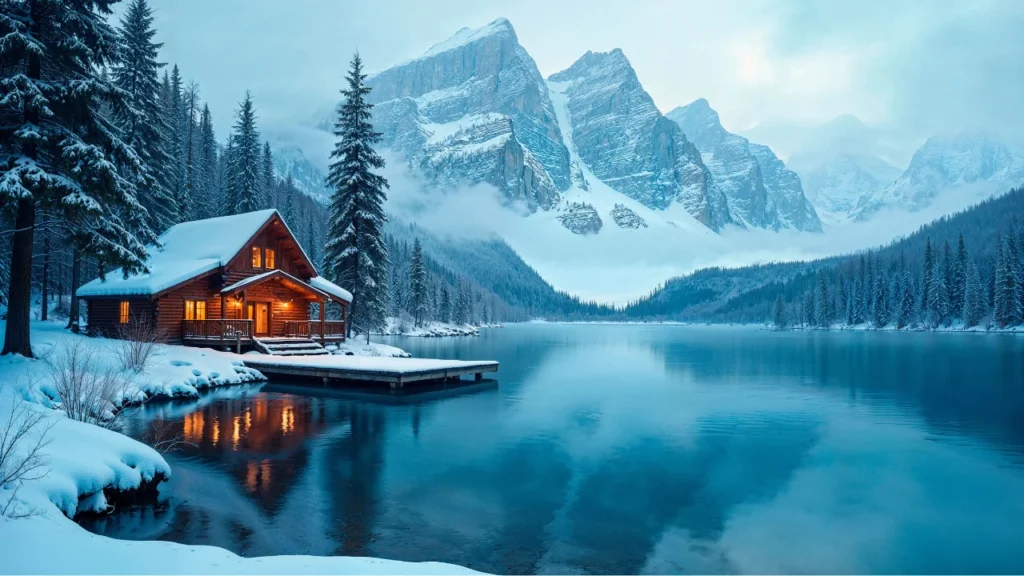
Winter, on the other hand, tells a very different story — darker days, glowing skies, and snow-covered magic. The Northern Lights often paint the horizon green and pink, while frozen waterfalls glisten like crystal sculptures. Temperatures might hover between -1°C and 4°C (30°F to 40°F), but the chill feels bearable when you’re sipping hot chocolate in a cozy cabin.
If you come in winter, take small-group snowmobiling tours to discover the world-famous ice caves of Vatnajökull or Katla, and hunt the Northern Lights. Winter Iceland is wild, mystifying, and downright unforgettable.
How to Get Around Iceland
Discovering Iceland is half the fun. And for most visitors, it means taking a car and driving the well-known Ring Road that circumnavigates the island. It’s a picturesque route that allows you to pull over wherever your heart desires — perhaps at an undiscovered waterfall or a rural village café.
Driving in the winter necessitates caution. Roads are potentially icy, so it’s always worth checking local weather reports before driving. If you’d prefer not to drive, Iceland provides ample guided tours that get you safely between the country’s number one attractions. Some tourists combine both: driving when it’s peaceful outside and taking guided tours for more challenging roads. Either combination provides a feeling of freedom here that can’t be beaten.
Top Regions to Explore in Iceland
Every region of Iceland is a story in itself. Reykjavik, the kaleidoscopic capital, is abuzz with creativity — from street murals to snug coffee houses and live music bars. Just beyond the city stands the Golden Circle, a path that encompasses the awe-inspiring Gullfoss Waterfall, the Geysir geothermal landscape, and Þingvellir National Park — where two tectonic plates creep apart.
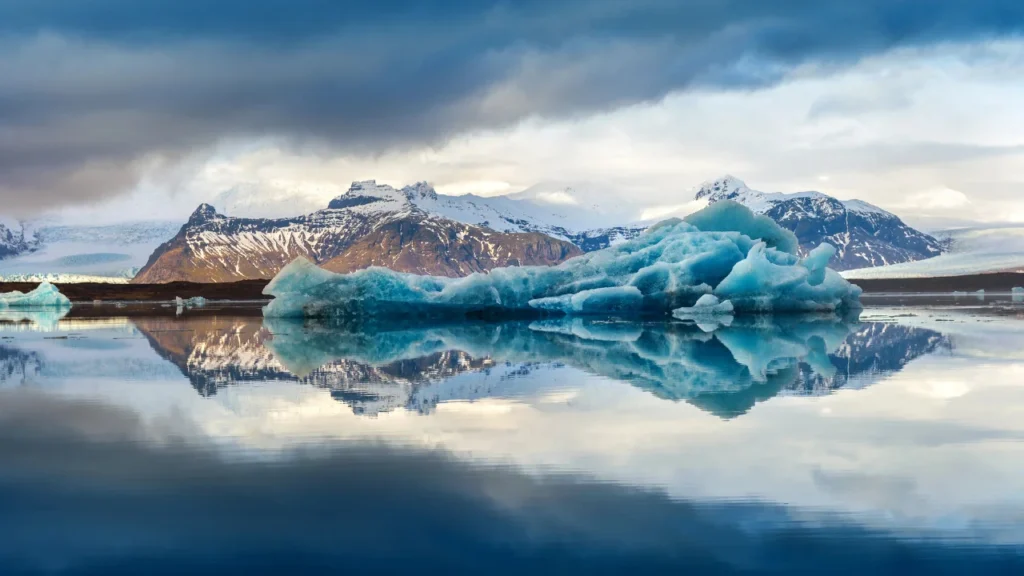
Head south, and the scenery becomes dramatic. The South Coast has Seljalandsfoss and Skogafoss waterfalls, black sand beaches at Reynisfjara, and glacier lagoons such as Jokulsarlon and Fjallsarlon.
Eastward lies the Eastfjords with its serene fishing towns, puffin colonies, and tranquil fjords. Conversely, the Westfjords are rugged and isolated — ideal for visitors seeking isolation.
And way up in the Highlands, there are lava fields, rainbow-colored hills, and geothermal valleys that resemble another planet.
— Anthony Bourdain
Iconic Natural Wonders in Iceland
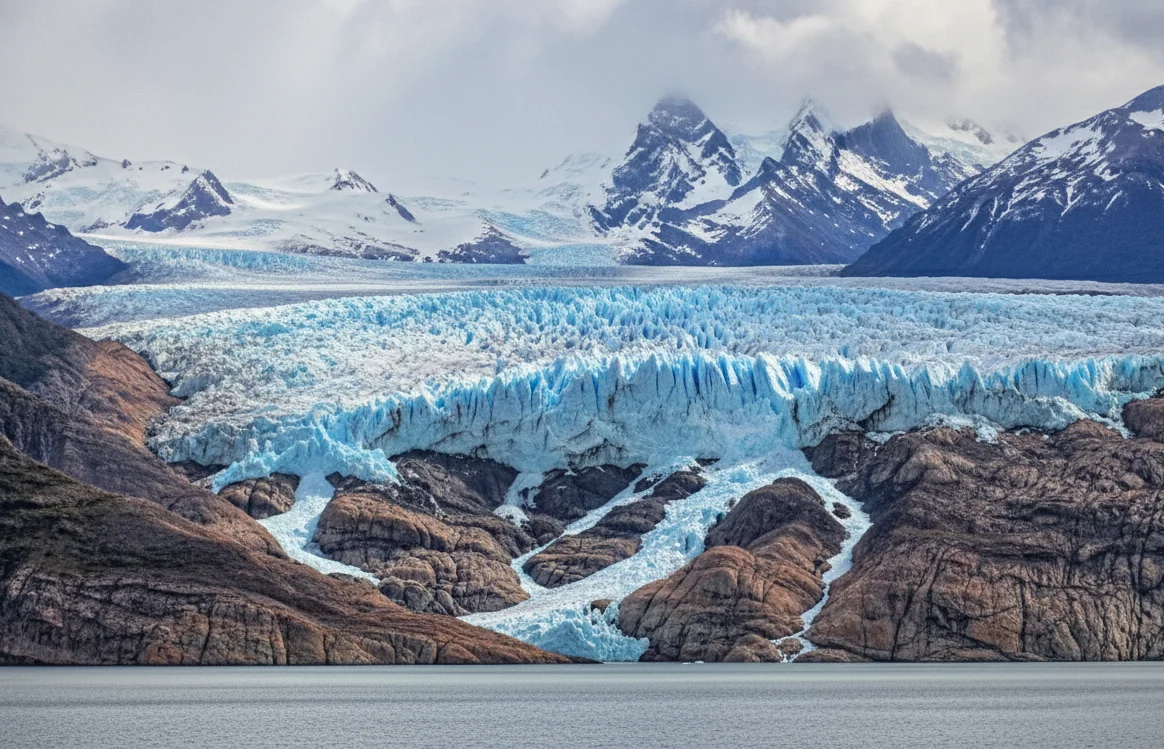
Nature in Iceland is alive. The waterfalls — Gullfoss, Godafoss, and Dettifoss — thunder with power that resonates deep in your chest. Glaciers shine like frosted seas, and the blue ice caves beneath them look like glass palaces.
At Jokulsarlon Glacier Lagoon, icebergs float silently over icy waters as seals frolic in the background. Times like these make you realize how tiny but connected you are to nature. Subsequently, relaxing into a geothermal pool amidst snow feels like absolute heaven. The Blue Lagoon and Myvatn Nature Baths both provide that warmth — each with a distinct charm.
Unmissable Experiences in Iceland
Few experiences are comparable to witnessing the Northern Lights up close. To observe the sky change in hues — green, purple, and gold — is to see magic. The locations best seen are distant from city lights, at countryside lodges or on guided evening tours.
Icelandic horse riding is also a unique experience. Small, rugged horses with a gentle disposition and an unusual gait known as the tölt, which results in smooth rides even over rough terrain. And if you’re there in winter, snowmobiling over a glacier or trekking through frozen caves has you thinking you’ve entered a world of fantasy.
Things to Do in Winter vs Summer
Winter and summer in Iceland might as well belong to two different worlds.
Winter arrives with the beauty of snow-white villages, ice cave excursions, and the lights of Christmas displays around Reykjavik. The streets are filled with music, light, and color during the Winter Lights Festival.
Summer, on the other hand, is interminable. With the sun lingering past midnight, you can trek across the Highlands, camp in the sunlight, and observe puffins breeding on sea cliffs. These happy birds appear only during summer, infusing Iceland’s tough beauty with a splash of color. Both seasons have their charm — it all depends on if you like fire or ice.
Food, Drinks & Icelandic Culture
Iceland’s cuisine is rooted in simplicity and purity. You’ll taste the freshness of the sea in its fish, the tenderness of slow-cooked lamb, and the creamy texture of skyr, Iceland’s beloved dairy treat. Some restaurants even bake rye bread using geothermal heat — a taste that truly defines Iceland.
The country’s culture blends folklore, music, and modern creativity. From Reykjavik’s Airwaves Festival to traditional winter celebrations, locals love sharing stories and songs. Stay in a guesthouse in Reykjavik or a countryside lodge, and you’ll quickly see how hospitality here feels warm and genuine.
Travel Tips for Iceland
Packing smart simplifies your trip. Pack warm layers, waterproof shoes, gloves, and a good windproof coat — even during summer. The weather in Iceland can change within minutes. Having a car on rent provides flexibility, but carry some snacks and additional fuel while traveling to distant places.
Budget tourists can cut costs by preparing their own meals and eating in hostels or guesthouses. One week might be spent on Reykjavik, the Golden Circle, and the South Coast — a great mix of culture and nature.
Map of the Best Things to Do in Iceland
Here’s a brief overview of the key areas and how much time you could consider spending in each:
The Blue Lagoon is iconic with milky-blue geothermal waters, while Sky Lagoon offers stunning ocean views and a modern spa experience.
Your Ultimate Adventure Awaits
Whether you’re following the Northern Lights or traveling over seemingly endless expanses of moss, mountains, and mist, Iceland draws you in. It’s not about checking boxes — it’s about the experience of being in the center of something ancient and alive.
As once said by Icelandic writer Halldór Laxness, “The only thing we own is the story we tell.” And Iceland delivers you with hundreds and hundreds of stories to tell.
How to Get There
The majority of visitors arrive in Keflavik International Airport, 45 minutes from Reykjavik. Car rentals, buses, and guided tours make it convenient to access all corners.
Why It's Unique
Iceland’s combination of glaciers, volcanoes, and mythology provides a combination unique to this planet. Each area is unspoiled and intimate, as if the natural world is putting on a private show just for you.
When to Go
Go May to September for treks, drives, and the midnight sun. Opt for November to March if you’re dreaming of ice caves and Northern Lights.
Adventure Level
Moderate to high. Some pursuits — such as glacier hiking or snowmobiling — require guides, but other pursuits, such as hot spring bathing or easy hikes, are accessible to all.