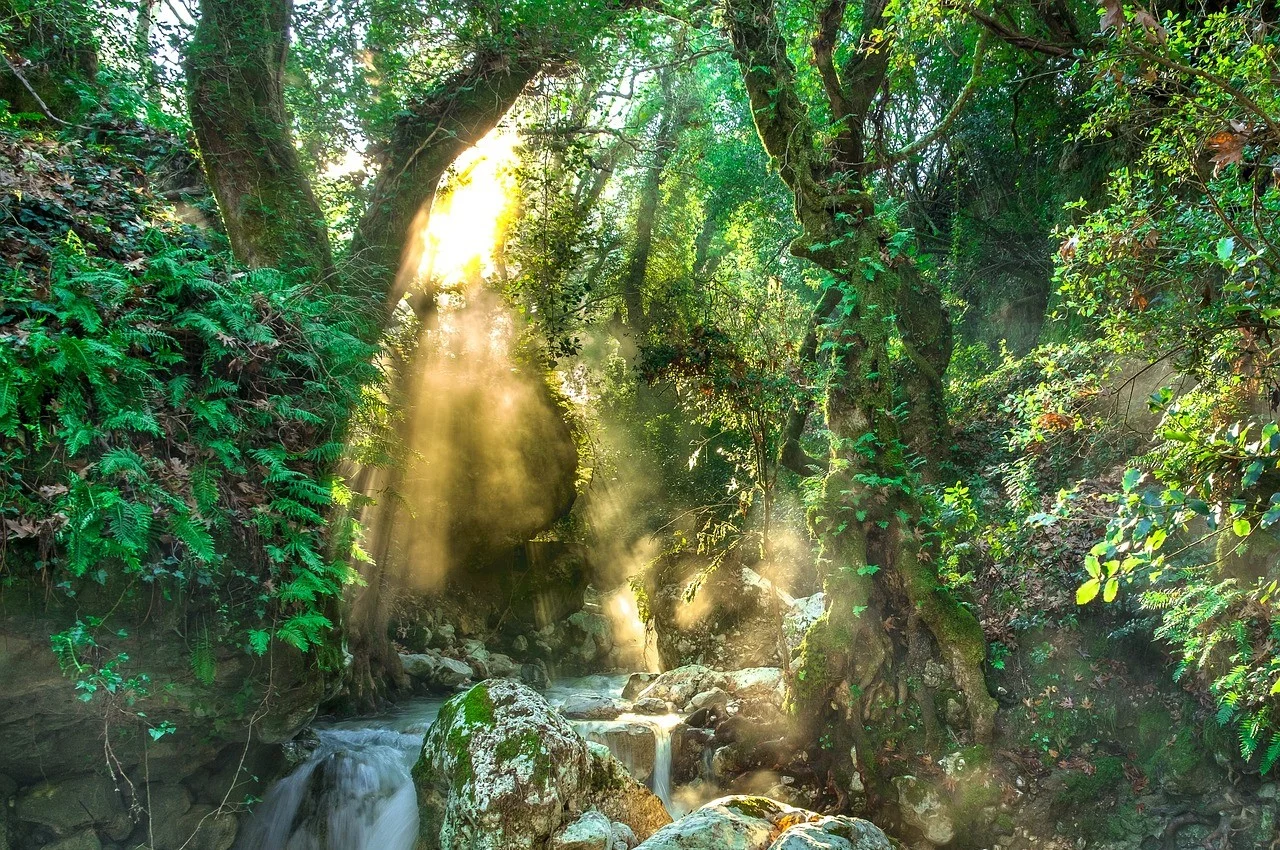
When you enter a forest, you don’t merely observe trees—you sense life taking its breath around you. The largest forests in the world are not just a bunch of trees; they are vibrant ecosystems that support life on our planet. They cover millions of square miles, functioning as gigantic carbon sinks, sucking up toxic greenhouse gases, and assisting the world’s climate in regulating the planet’s temperature.
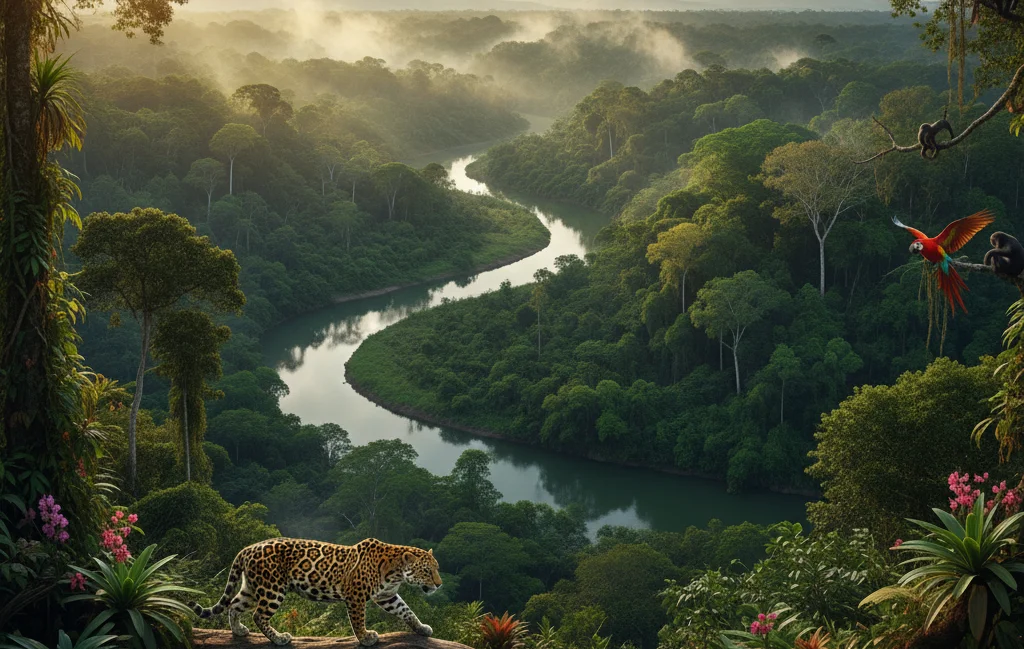
Every forest has a tale to tell. A jaguar stalks silently in the Amazon. A moose walks silently through Siberian Taiga. Birds trill melodies in New Guinea that have rung out for centuries. These forests are biodiversity sanctuaries, with hundreds of species of animals, plants, and insects, many found nowhere else.
In addition to sustaining wildlife, forests also supply water, food, medicine, and habitation. They are closely connected with the culture, history, and well-being of humanity. From the Amazon to the Taiga, each forest has its own beauty, significance, and life lessons for mankind.
Amazon Rainforest – The Crown Jewel of Biodiversity
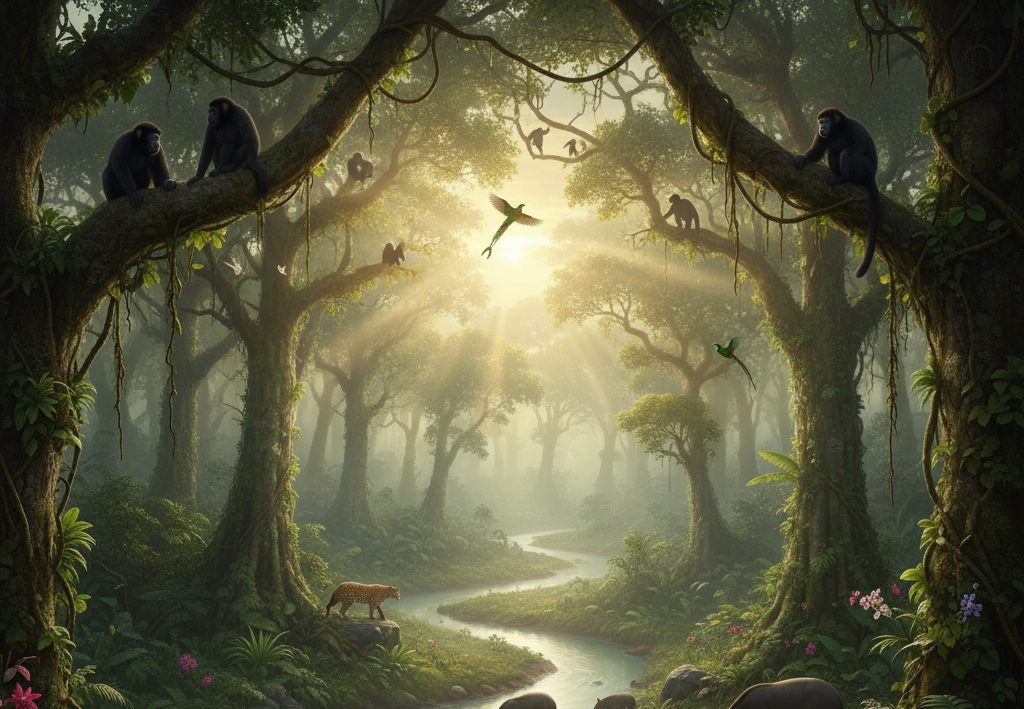
The Amazon Rainforest covers more than 5.5 million square kilometers of South America. Brazil has the largest portion, but it extends into Peru, Colombia, and several other countries. Referred to many times as the “lungs of the Earth,” this rainforest removes billions of tons of carbon dioxide and maintains stable global climate.
Stroll under its canopy, and the forest buzzes with life. More than 40,000 species of plants thrive here. Insects are counted in the millions. Jaguars creep stealthily, macaws flash radiant hues overhead, and pink river dolphins swim through curling waterways. Native peoples like the Kayapo and Yanomami inhabit this place, living according to traditions that honor the forest.
But peril is present. Deforestation still poses a threat to this living paradise, endangering both animals and humans.
Congo Rainforest – The Heart of Africa’s Wilderness
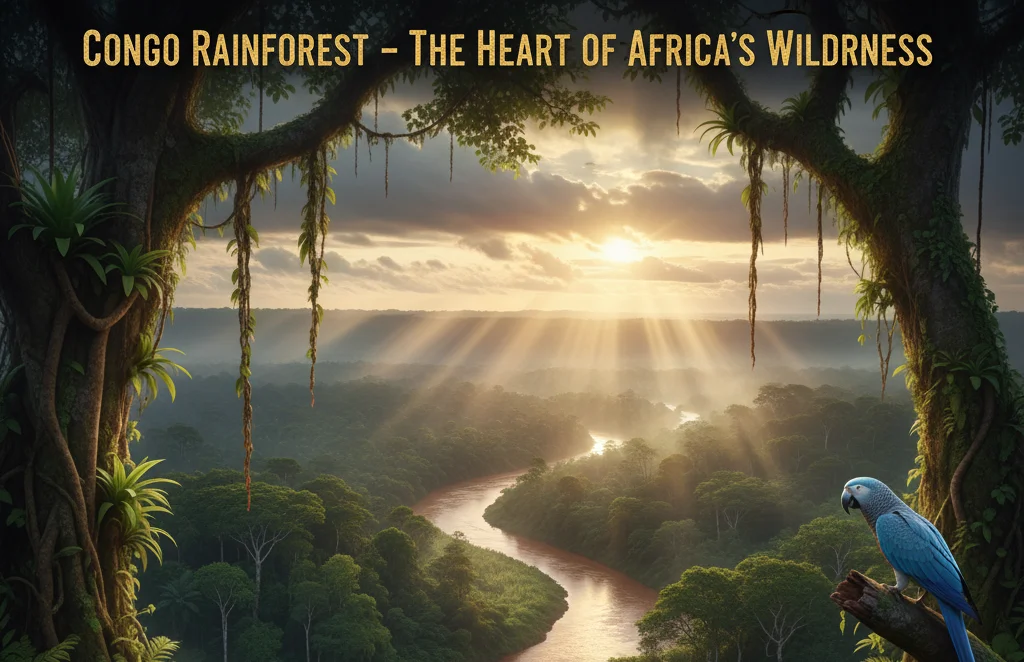
Measuring 3.7 million square kilometers, the Congo Rainforest is Africa’s green giant. It covers six countries and influences rainfall across the continent. Its rivers course like veins, nourishing thousands of species.
Here, forest elephants roam peacefully. Gorillas graze in obscurity. The endangered okapi takes cover amidst thick vegetation. Over 10,000 plant species, some of them medicinal, inhabit this place. The Baka and Mbuti communities maintain ancient wisdom, balancing survival with coexistence.
Challenges persist. Poaching, logging, and political unrest disturb the fragile ecosystem. The preservation of this forest is crucial, not only for Africa but for the world.
New Guinea Rainforest – A Tropical Paradise of Rare Species
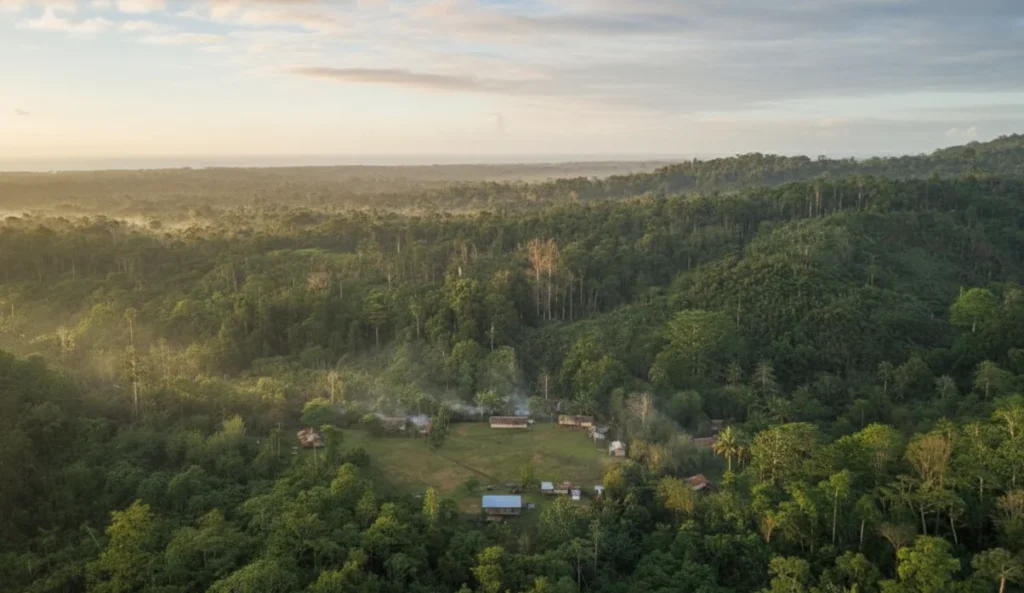
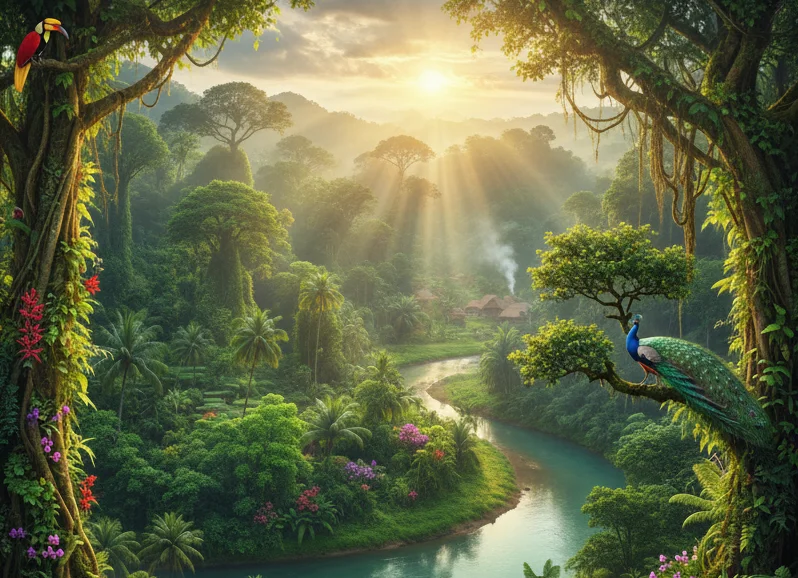
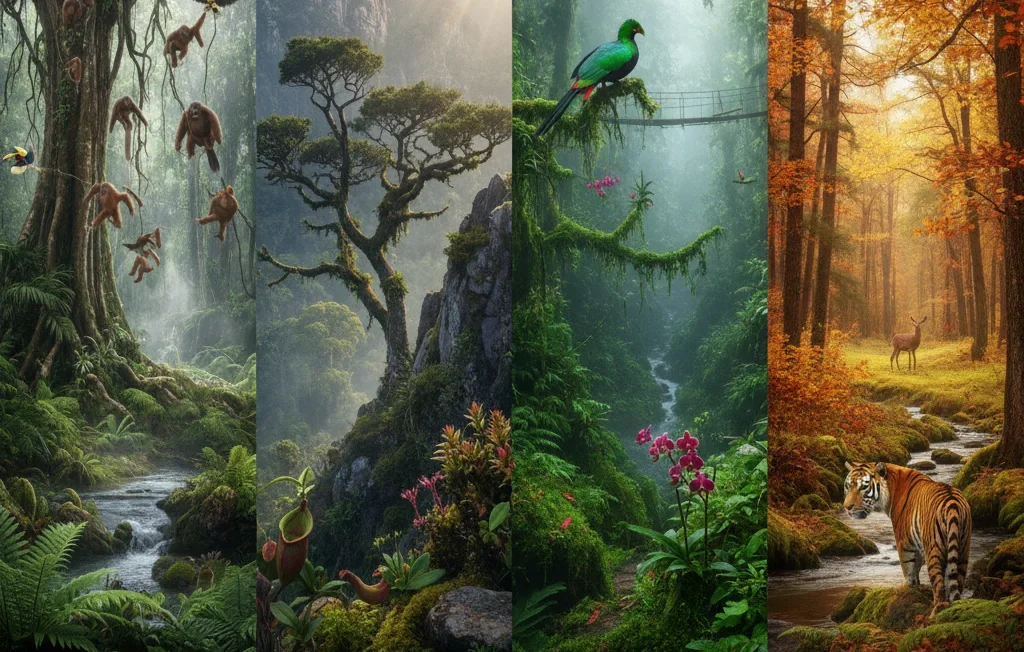
New Guinea’s rainforest covers 780,000 square kilometers, more than 70% of the island. Its isolation has created a rich ecosystem. About 13,000 plant species grow here, including orchids and pitcher plants.
Tree kangaroos bound from tree to tree. Birds of paradise do their courtship rituals. The Queen Alexandra’s birdwing, the world’s largest butterfly, glides quietly. Scientists have been known to refer to this forest as a living lab, a place to observe nature in its pristine state.
But mining and logging put all of this at risk. Each area that is harvested runs the risk of pushing species into extinction.
Rainforest Habitat
Boreal Forest (Taiga) – The World’s Cold Green Belt
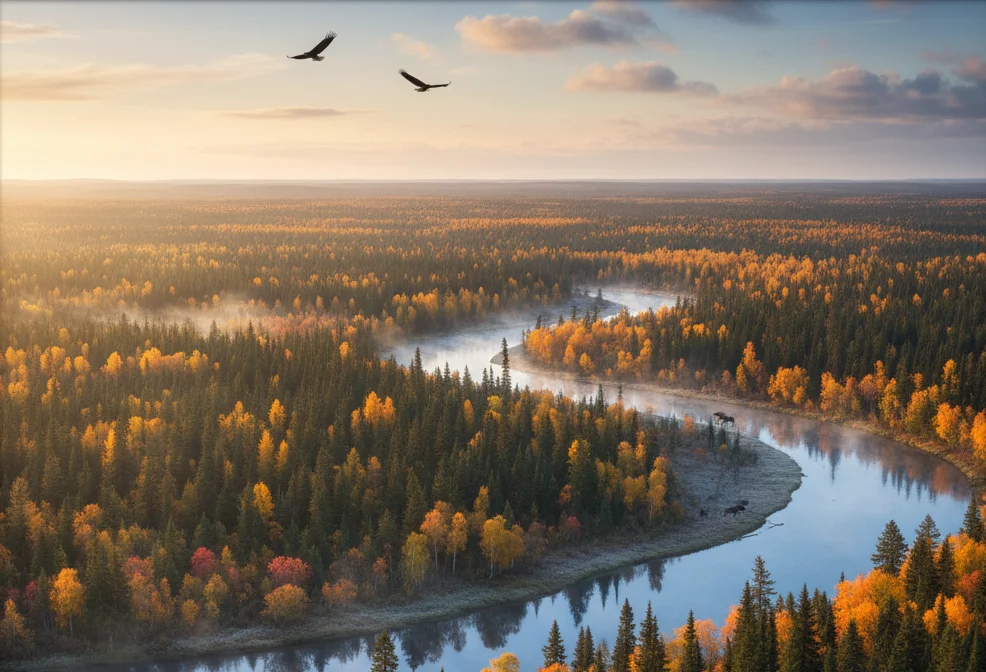
Spanning Canada, Siberia, Alaska, and Scandinavia, the Boreal Forest, or Taiga, extends over 17% of Earth’s surface. It is the world’s largest forest biome. Impressively, it contains more carbon than all of the world’s tropical forests combined.
Moose move quietly across snow. Wolves are heard at night. Migratory birds take refuge here every year. For millennia, indigenous peoples have thrived in this icy landscape, living in harmony with the earth. Industrial logging and oil drilling now target these ancient forests, risking wildlife and aboriginal culture.
Boreal Forestry
Valdivian Temperate Rainforest – South America’s Hidden Treasure
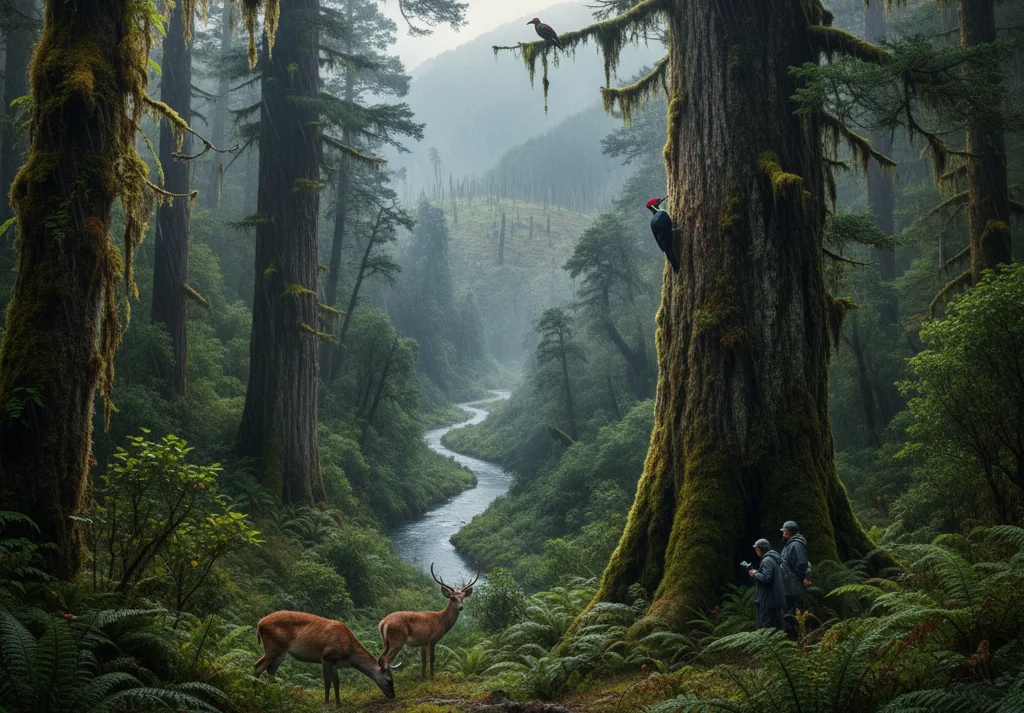
Set in Chile and Argentina, the Valdivian Temperate Rainforest covers approximately 250,000 square kilometers. Towering evergreen trees punctuate the horizon, and the iconic Fitzroya cupressoides, or Alerce tree, is more than 3,000 years old.
Huemul deer tread gingerly through the underbrush cloaked with moss. The Magellanic woodpecker inhabits the trees. Scientists examine this forest to learn about temperate ecosystems. Deforestation and commercial logging even threaten the delicate balance in this remote beauty.
Atlantic Forest – Brazil’s Endangered Green Haven
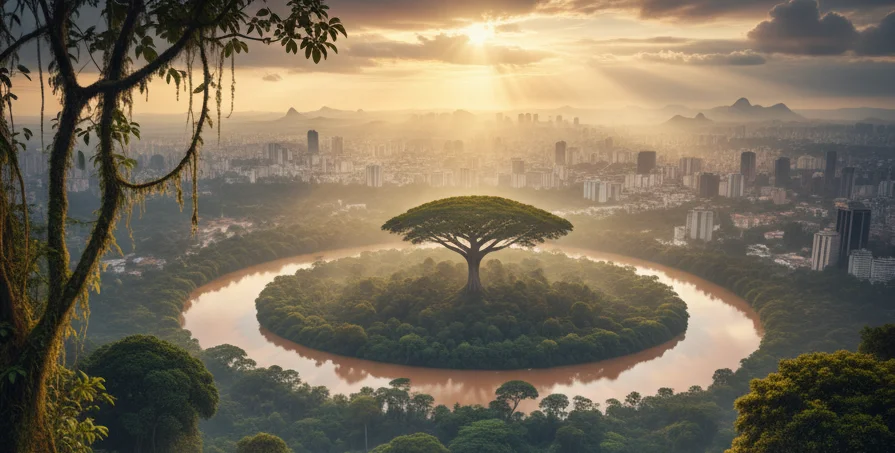
The Atlantic Forest used to blanket most of eastern Brazil, but now only 10% of it is left. Even in its diminished state, it’s crucial. It supplies fresh water to millions of people in urban areas such as São Paulo and Rio de Janeiro.
Here, jaguars sneak through under the cover. Golden lion tamarins, one of the most endangered primates on the planet, survive by the skin of their teeth. Urban expansion and agriculture push the forest to the edge. Conservation is more important than ever.
Tongass National Forest – Alaska’s Pristine Wilderness
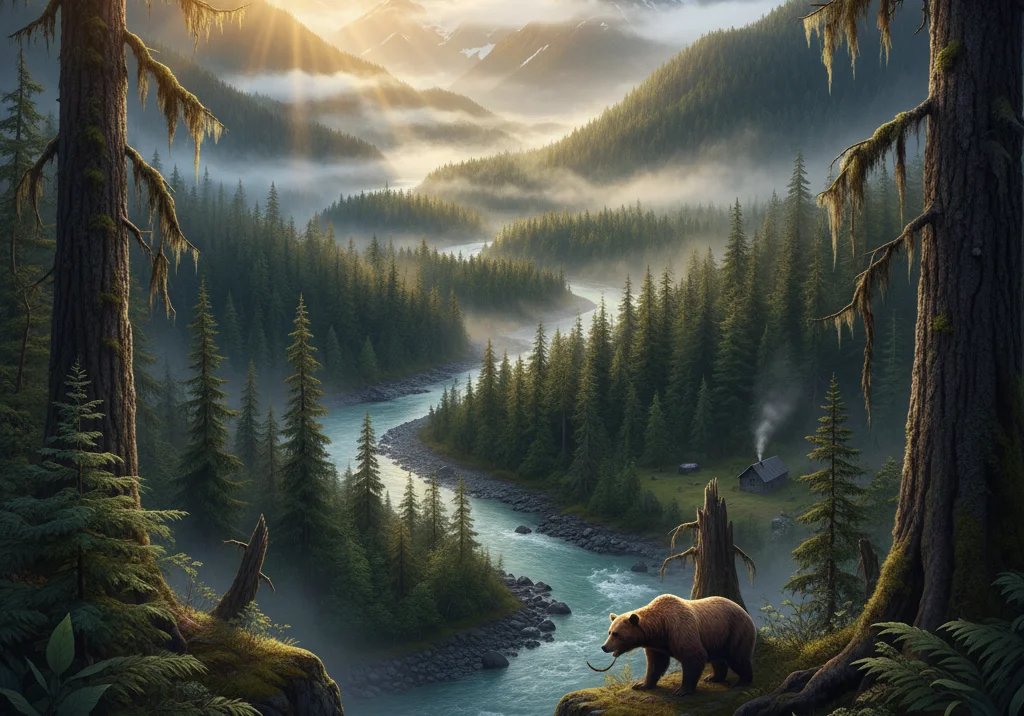
Alaska’s Tongass National Forest covers 70,000 square miles, the largest in the United States. Ancient Sitka spruce and Western red cedar stand tall above, some over 800 years old.
Bald eagles wheel overhead. Brown bears wander at large. The elusive Alexander Archipelago wolf stalks in secluded hiding places. Logging pressures persist, but education and sustainable management hold promise for this American treasure.
Xishuangbanna Rainforest – China’s Tropical Gem
Situated in China’s Yunnan Province, the Xishuangbanna Rainforest covers 19,000 square kilometers. The corpse flower flowers, which are rare plants. Asian elephants stroll through forests. Clouded leopards lurk in the shadows, and more than 500 bird species fill the air with songs.
Indigenous peoples like the Dai and Hani maintain centuries-old customs while living sustainably. Tourism increases, but restraint is key to ensuring that ecological balance continues.
Nicaragua’s Bosawas Rainforest spreads across 10,000 square kilometers and is a UNESCO reserve. There are tapirs, howler monkeys, and jaguars roaming wild. Bird lovers enjoy more than 700 species.
The forest serves to preserve freshwater resources and stabilize the local climate. Logging and farming still pose a danger to this refuge and its original settlers.
Daintree Rainforest – Australia’s Ancient Green World
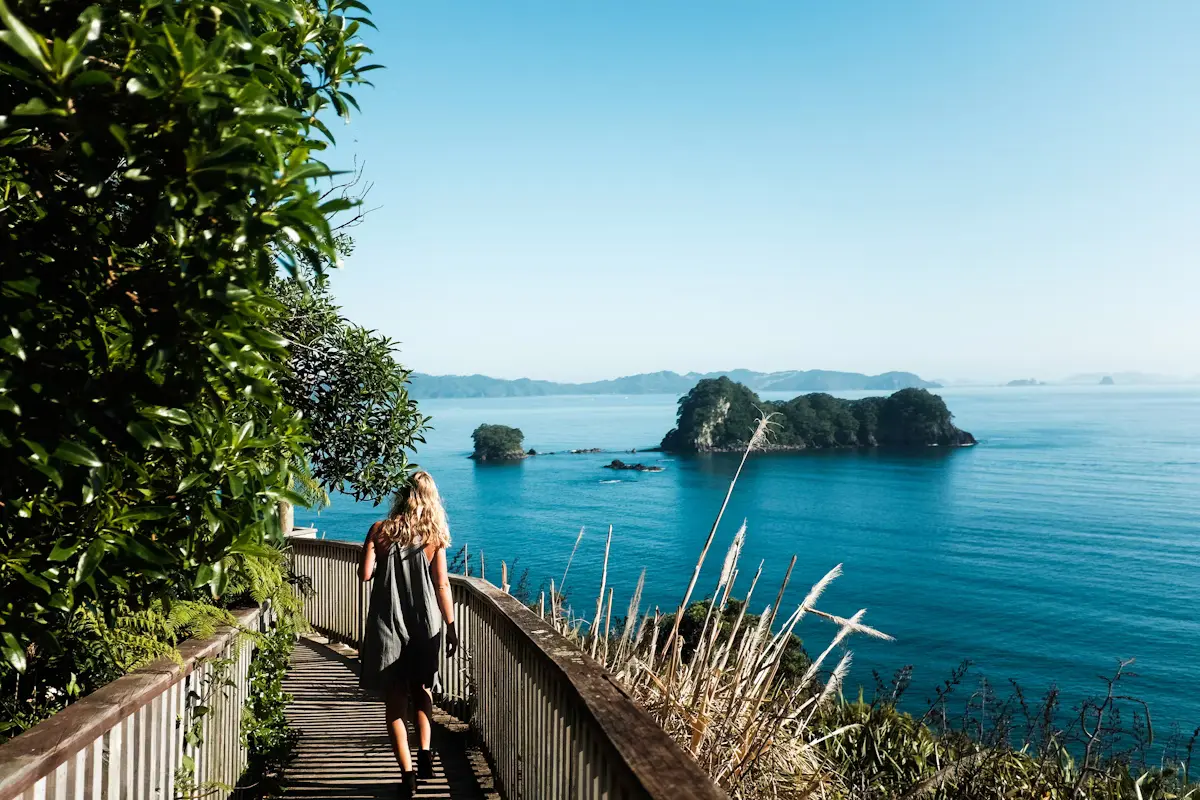
The Queensland Daintree Rainforest is 135 million years old. Waterfalls and rivers chop through thick canopy to create one of the planet’s most pristine tropical environments.
Cassowaries walk silently. Cycads, rare, push through the undergrowth. Aboriginal peoples keep traditional knowledge alive here. Tourists come to admire its splendor, but development and global warming are ever-looming threats.
The top 10 include the Amazon, Congo Rainforest, New Guinea Rainforest, Taiga, Valdivian Temperate Rainforest, Atlantic Forest, Tongass National Forest, Xishuangbanna Rainforest, Bosawas Rainforest, and Daintree Rainforest.
The world’s largest forests are public lands, mainly owned and managed by national governments, with some regions inhabited by indigenous communities.
Other Notable Forests Around the Globe (Borneo, Kinabalu, Monteverde, Primorye)
A few other forests are worth noting. Borneo rainforest gives sanctuary to orangutans and pygmy elephants. Kinabalu of Malaysia is home to rare plant species. Monteverde of Costa Rica rings with migratory birds. Primorye of Russia safeguards the Amur tiger, an endangered animal.
These forests indicate how linked the global ecosystems are. They remind us that the world’s most extensive forests are not so far-off marvels—these are vital lifelines.
Why It's Unique
Every one of these forests has a story to tell. They are not interchangeable. From old trees to unusual animals, indigenous knowledge to climate impact, these green colossus keep life and culture alive. No other ecosystem can provide this kind of diversity in one location.
When to Visit
Timing depends on the forest. Tropical forests like the Amazon or New Guinea are best explored in dry seasons. Taiga regions shine in summer when wildlife is active. Temperate forests like Valdivian and Tongass are accessible year-round, but winter provides a serene, quiet experience.
How to Reach
Most forests can be reached through nearby cities or regional airports. Amazon explorers tend to start in Manaus, Brazil. Congo tourists arrive in Kinshasa or Brazzaville. Tongass of Alaska is reached through Juneau or Ketchikan. Preparation is crucial, and guided tours are the safest and most informative.
Adventure
Adventure changes. Some such as the Daintree have moderate walks with boardwalks. The Congo and New Guinea rainforests involve tough hiking and river crossings. Wildlife contacts are unpredictable, so each time is an individual adventure.