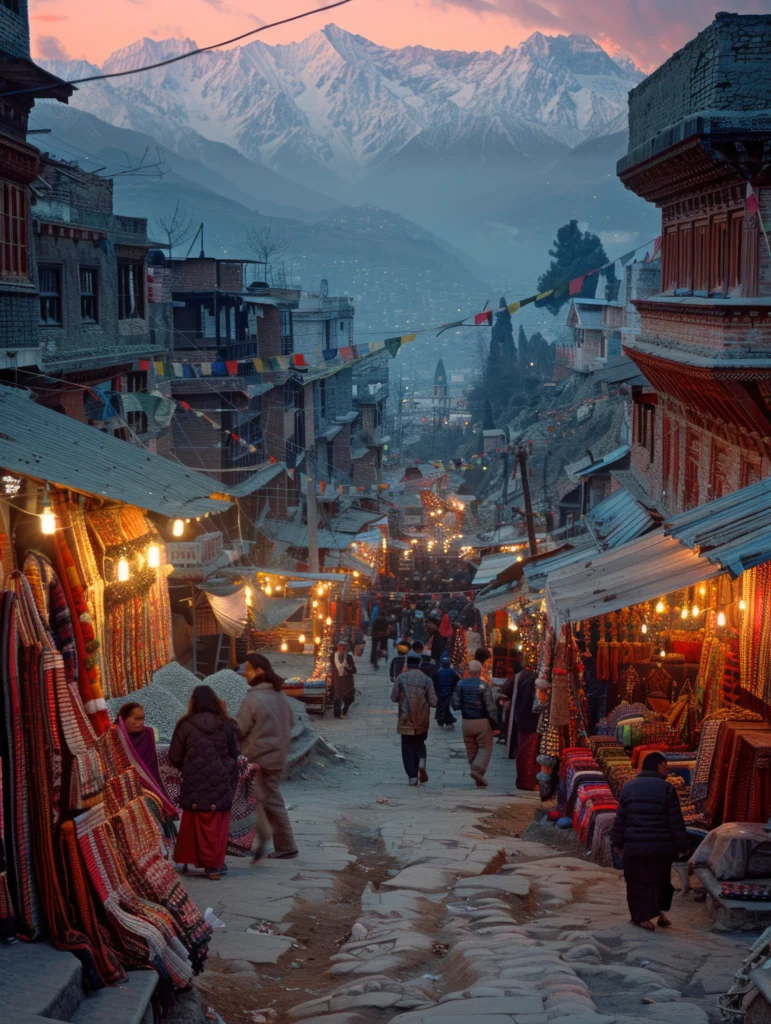
Northern Pakistan is a region where mountains brush against clouds and rivers glimmer like glass. Each bend in the road brings forth a new vista—villages nestling in emerald valleys, snow-capped peaks, and pastures that seem to merge into the horizon. To travel here is to enter into a canvas where nature leaves behind a gentle whisper, and time becomes slower.
This area is abounds with legendary valleys like Hunza, Swat, and Skardu, each with its own beat, myths, and hospitality. Some come for thrill, others for quiet and serenity. You might be searching for tranquility or adventure; either way, Northern Pakistan welcomes you open skies and open arms.
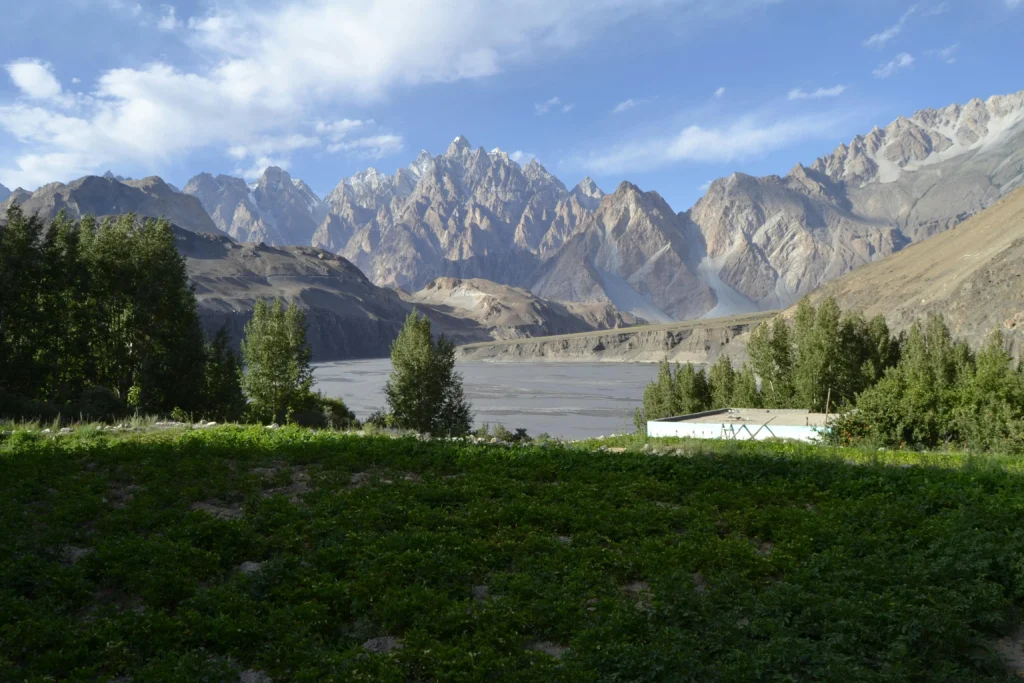
Northern Pakistan’s valleys are not locations—they’re emotions. Hunza Valley glows like a fantasy with pink and white orchids blooming, its age-old forts sitting atop, and smiling locals who welcome you home. Skardu Valley is nights spent beneath a heaven full of stars, where the world seems infinite.
The Swat Valley, commonly referred to as the “Switzerland of Pakistan,” abounds with rivers that sing their way through the forests. And then there’s Naran Kaghan, where grassy fields kiss icy streams. Every valley leaves you speechless for a while, asking yourself how something so pristine still exists.
Hidden Gems and Lesser-Known Destinations
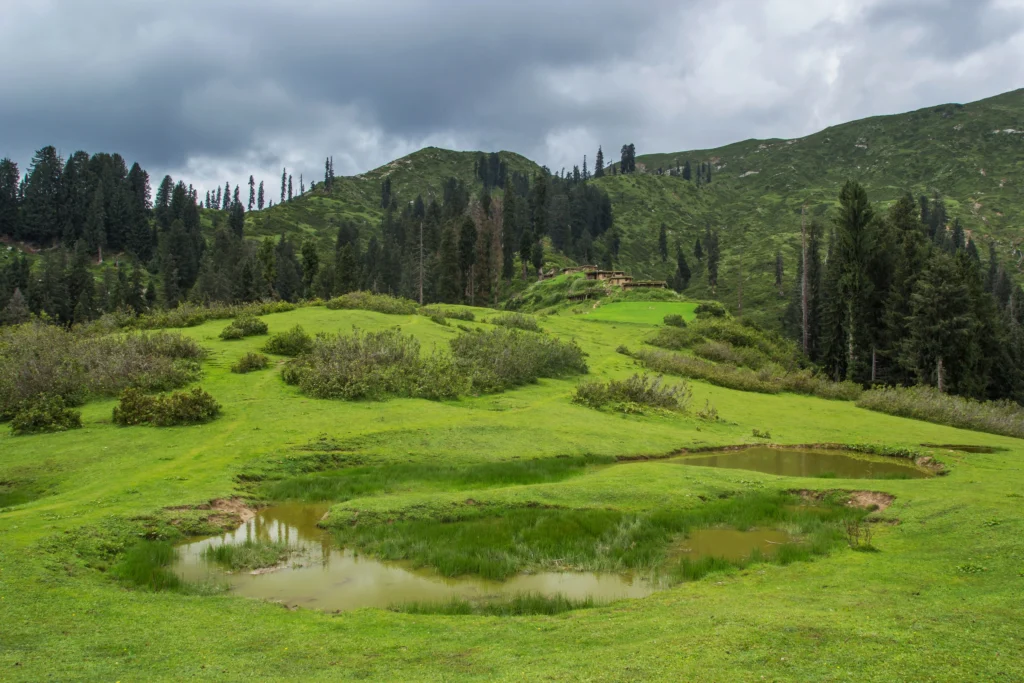
Apart from the popular places, there are secret spots that appear untainted by time. Shogran and Siri Paye are where clouds drift low, caressing the treetops. Kumrat Valley is serene—no hurry, no din, just the river’s whisper and winds of mountains.
A little to the north, the Yasin and Ghizer valleys reveal the everyday life of inhabitants who are very close to nature. In Shimshal and Gojal, the rugged trails lead to scenery that few eyes have ever seen. These are the corners of Northern Pakistan where adventure is raw and real.
Lakes That Will Leave You Spellbound
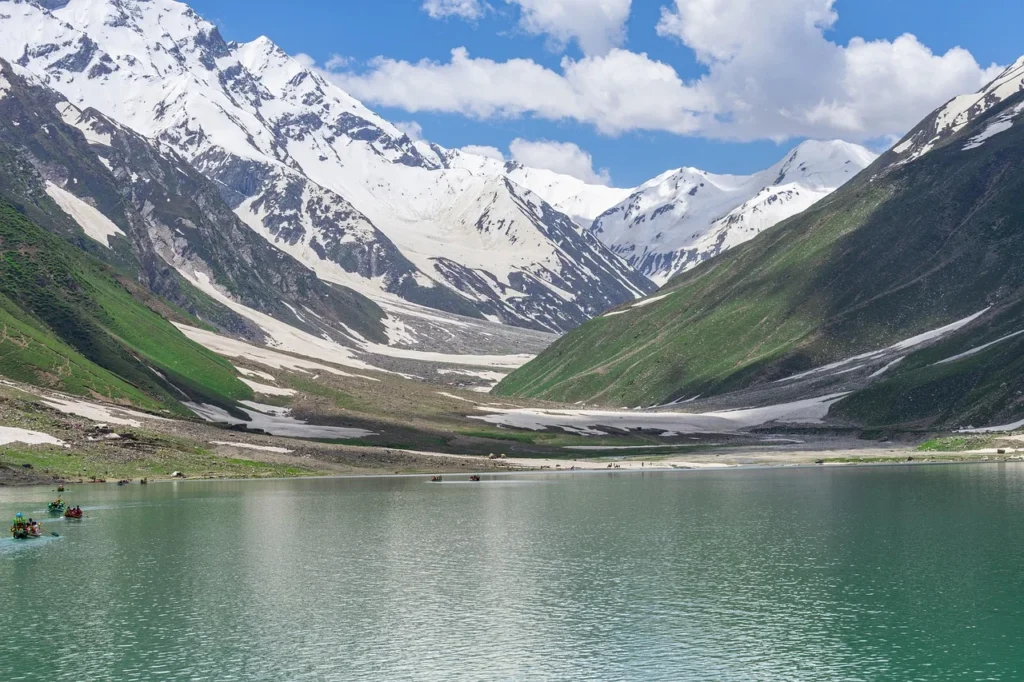
The northern lakes resemble mirrors fallen from heaven. Attabad Lake, which emerged from a landslide disaster, shines turquoise now, echoing with the laughter and voices of tourists sailing on its peaceful surface. Saif-ul-Malook Lake, shrouded in local legend, is almost mythical—particularly when the moonlight reaches the water.
High in Deosai, Sheosar Lake mirrors the sky so perfectly that clouds appear to move underneath your feet. Ratti Gali Lake, tucked away deep in Azad Kashmir, appears abruptly after an arduous hike, leaving visitors mutely amazed. These lakes are a reminder that nature doesn’t require descriptions to stun—you just are.
National Parks and Natural Wonders
The untamed side of Northern Pakistan prospers in its national parks. Deosai National Park is referred to as the “Land of Giants,” where there are rare Himalayan brown bears and vast expanses of summer blooms. When the sun goes down there, the world seems gigantic yet serene.
Polo games are even played at the world’s highest ground, the Shandur Pass. And then there is the Fairy Meadows at Nanga Parbat, which offer one of the most surreal mountain sights on this planet. These are no tourist attractions—these are a reminder of how small but fortunate we are to be able to see such sights.
Historical Forts and Cultural Heritage
The history of northern Pakistan is alive through its forts and customs. Baltit Fort in Hunza stands tall, speaking of former rulers who once guarded the valley. Khaplu Fort, with its Persian-style architecture, is like stepping into the past.
In Chitral, the Kalash maintain ancient traditions alive—hued attire, songs, and festivals that resonate in the valleys. Their tradition reflects a spirit that will not die, a living narrative of Pakistan’s varied history.
Adventure and Road Trips
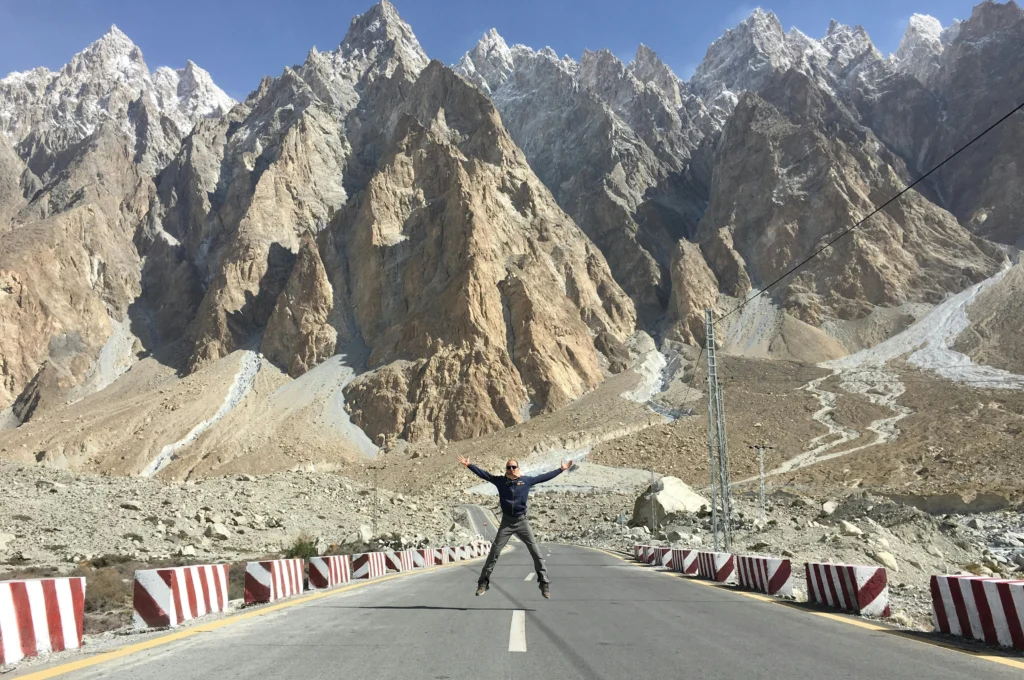
If you enjoy the open road, nothing beats the Karakoram Highway. It runs through valleys, glaciers, and highest mountains you can imagine. Approaching Khunjerab Pass, where China and Pakistan meet, is like standing on the roof of the world.
For trekkers, Northern Pakistan is heaven. Fairy Meadows to Nanga Parbat Base Camp trails challenge body and spirit. In and around Skardu, you can trek, climb, or simply sit alongside the lakes gazing at reflections of snow-topped peaks. Each route has a story of grit and awe.
Winter Destinations in Northern Pakistan
When snow comes, the north becomes a winter wonderland. Naltar Valley is a skiing heaven with powdery slopes and fresh air. Malam Jabba is open to both beginners and experienced skiers, with adventure coupled with scenic beauty.
Even Fairy Meadows becomes a serene winter haven—silent, motionless, and blanketed in silver. Such destinations attract visitors from all over the globe, including Americans, who are looking for winter beauty that comes from nature, something raw and genuine.
Hospitality and Culture of Local People
The people of the north are as warm as their mountains are cold. A stranger is never a stranger here—you’re offered tea, food, and stories as if you’ve come home after a long time. In Hunza and Skardu, locals often invite guests to share a meal or listen to legends of their ancestors.
The cuisine itself is a story: Hunza apricot meals and Balti curries prepared with affection and heritage. Their plainness is filled with warmth which lingers long after you are gone. It is this human touch that makes Northern Pakistan unforgettably memorable.
Travel Tips for Visiting Northern Pakistan
For optimal experience, visit between the months of May and September. Weather remains good, and majority of mountain routes are accessible. Foreign visitors, including US citizens, should make arrangements for visas prior to arrival. A few valleys need jeep rides or short domestic flights because of terrain.
Pack layers—days can be warm, but nights get cold fast. Costs are surprisingly low compared to Western destinations, making it a perfect spot for budget travelers seeking something pure and real.
The northern areas of Pakistan include Gilgit-Baltistan, Azad Kashmir, Chitral, Swat, Hunza, Skardu, and surrounding valleys known for mountains, rivers, and natural beauty.
They are famous for the Himalayas, Karakoram, and Hindu Kush mountains, stunning lakes, unique cultures, and some of the world’s highest peaks like K2 and Nanga Parbat.
The secret lies in Pakistan’s diversity towering mountains, fertile valleys, flowing rivers, rich cultural heritage, and warm hospitality of its people.
Why Northern Pakistan Should Be on Your Bucket List
Northern Pakistan has all the traveler could hope for—mountains, lakes, culture, and tranquility. From Chitral hot springs to Pir Sohawa sunset, each destination is intimate.
For those who have experienced the world, it still has something to offer in its innocence. It’s not just a place—it’s an experience that lingers long after you’re gone.
Why It's Unique
Northern Pakistan is unique in the sense that it is untouched and yet so diverse. Where else can you find snow peaks, Buddhist ruins, and Sufi shrines in the same country? Its combination of adventure and spirit makes it one of a kind on this planet.
When to Visit
The ideal time to visit is May to October. Summer brings flowers and open passes, while autumn paints the valleys in gold and red. Winter is best for those who love snow sports or quiet retreats.
How to Reach
Fly from Islamabad to Gilgit or Skardu, or take the Karakoram Highway—a road trip that’s an experience by itself. Local jeeps and buses connect most valleys, and friendly locals are always ready to guide you.
Adventure Level
Moderate to challenging. Perfect for nature lovers, trekkers, and road trip fans. Whether you’re hiking a glacier or sipping tea beside a lake, every moment feels rewarding.